As mentioned in a previous post, once we re-started the programme our focus was to get to weather tight as soon as possible. Some of the elements involved included getting all the groundworks such as drainage, sewage treatment and diversion of High Voltage Cables, installing the steel frame to support the SIP and tanking. I’ll summarise each below.
One of the first activities completed following the restart was to install the Steel frame that will support the Structural Insulated Panels (SIP).
The Steelframe which was already part of the supply chain was installed quickly once we restarted the programme. You can see some of the pictures below.
Once we installed the steel frame, it gave us a great view what the house will look like. We were excited to walk around the pavilion and get a feel for what space will look like and how we will use it.
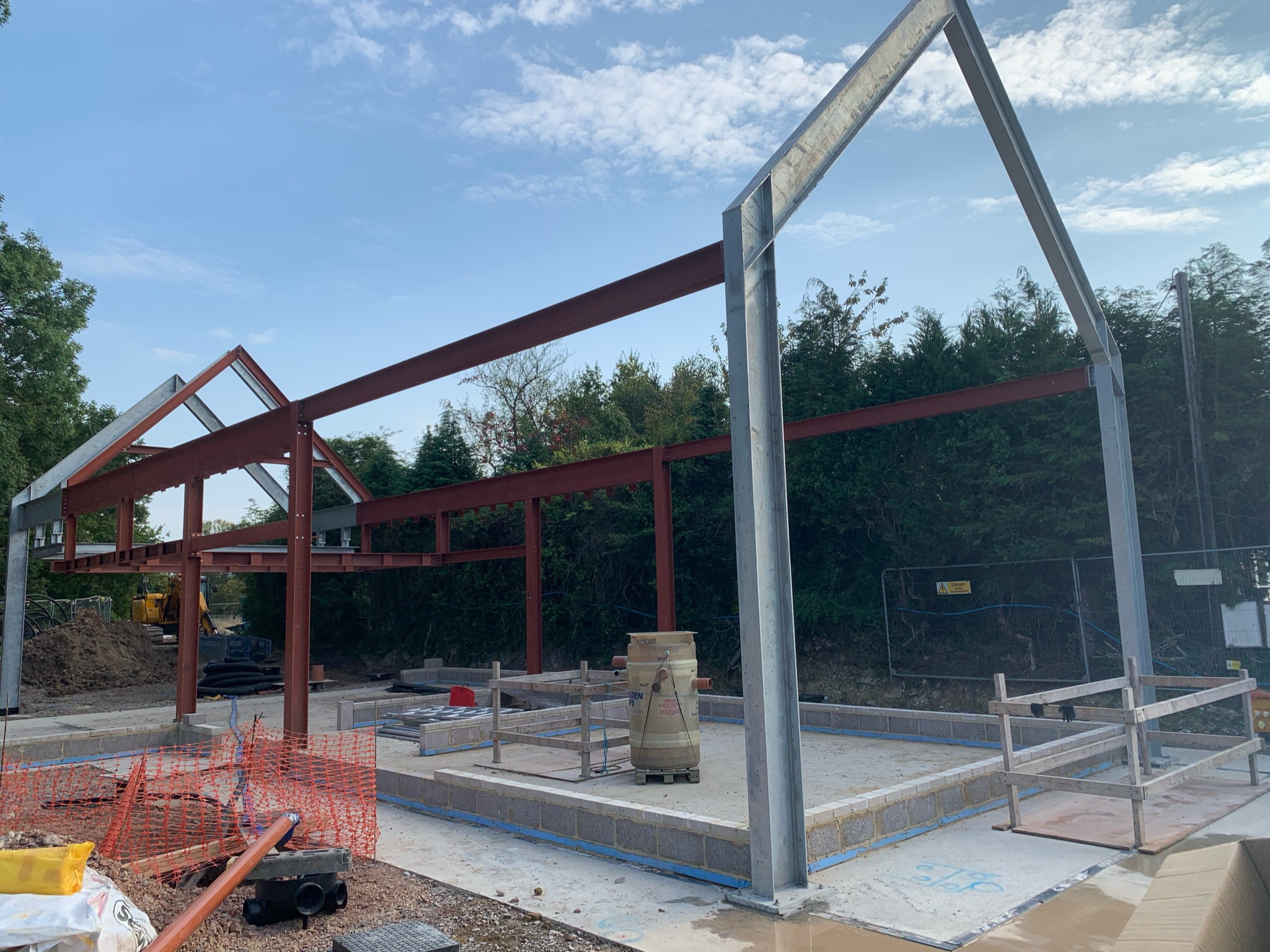
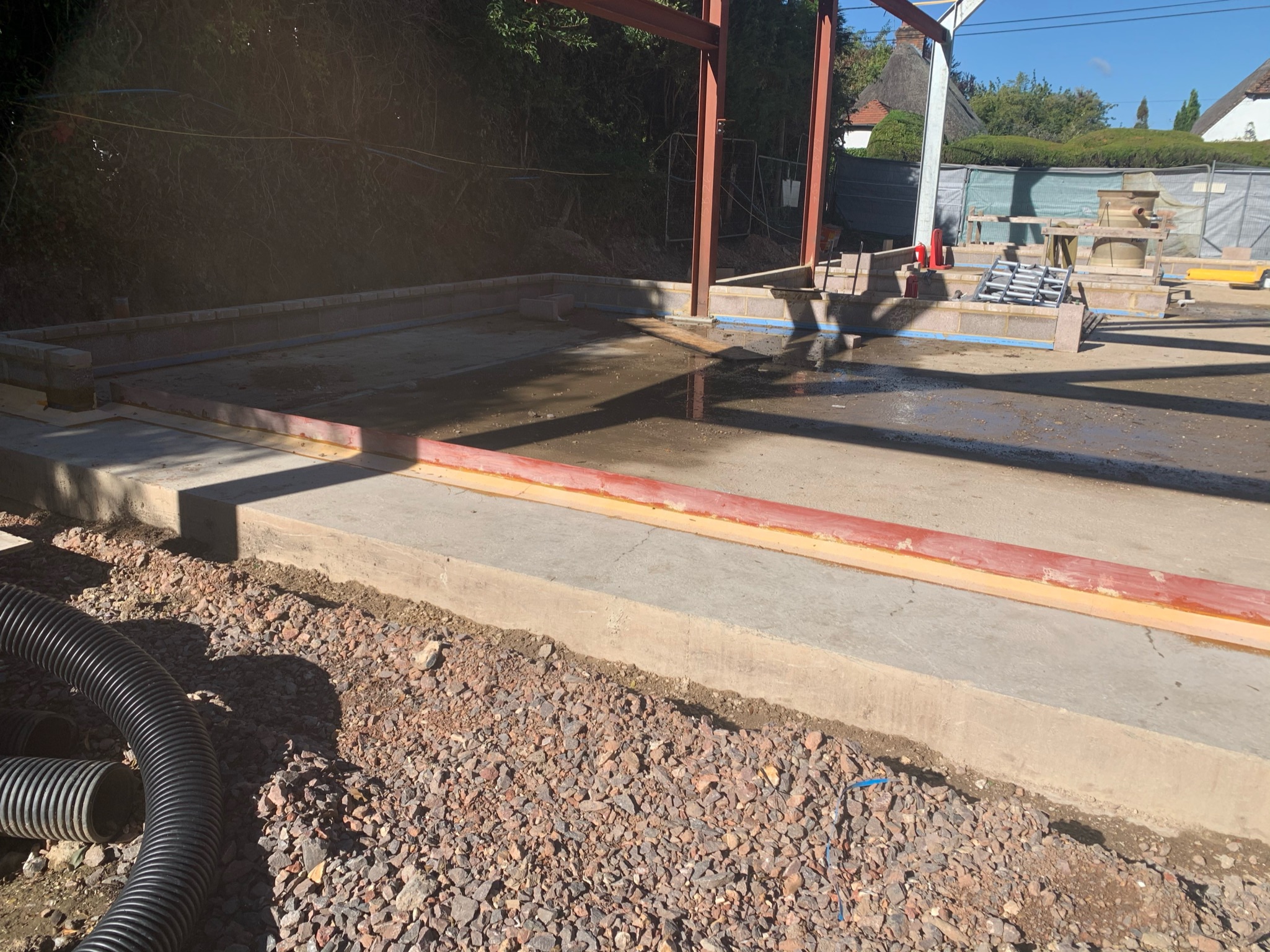
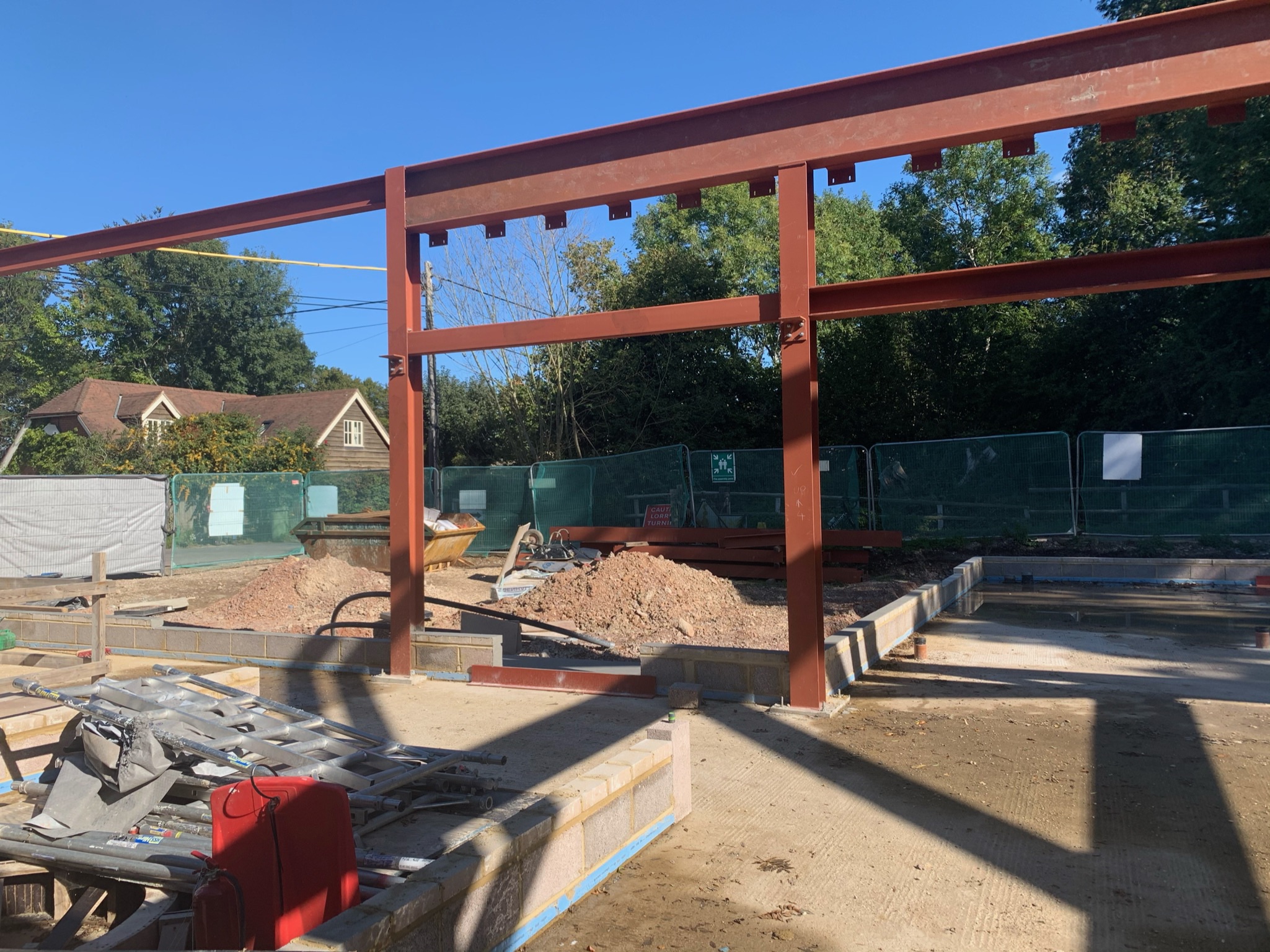
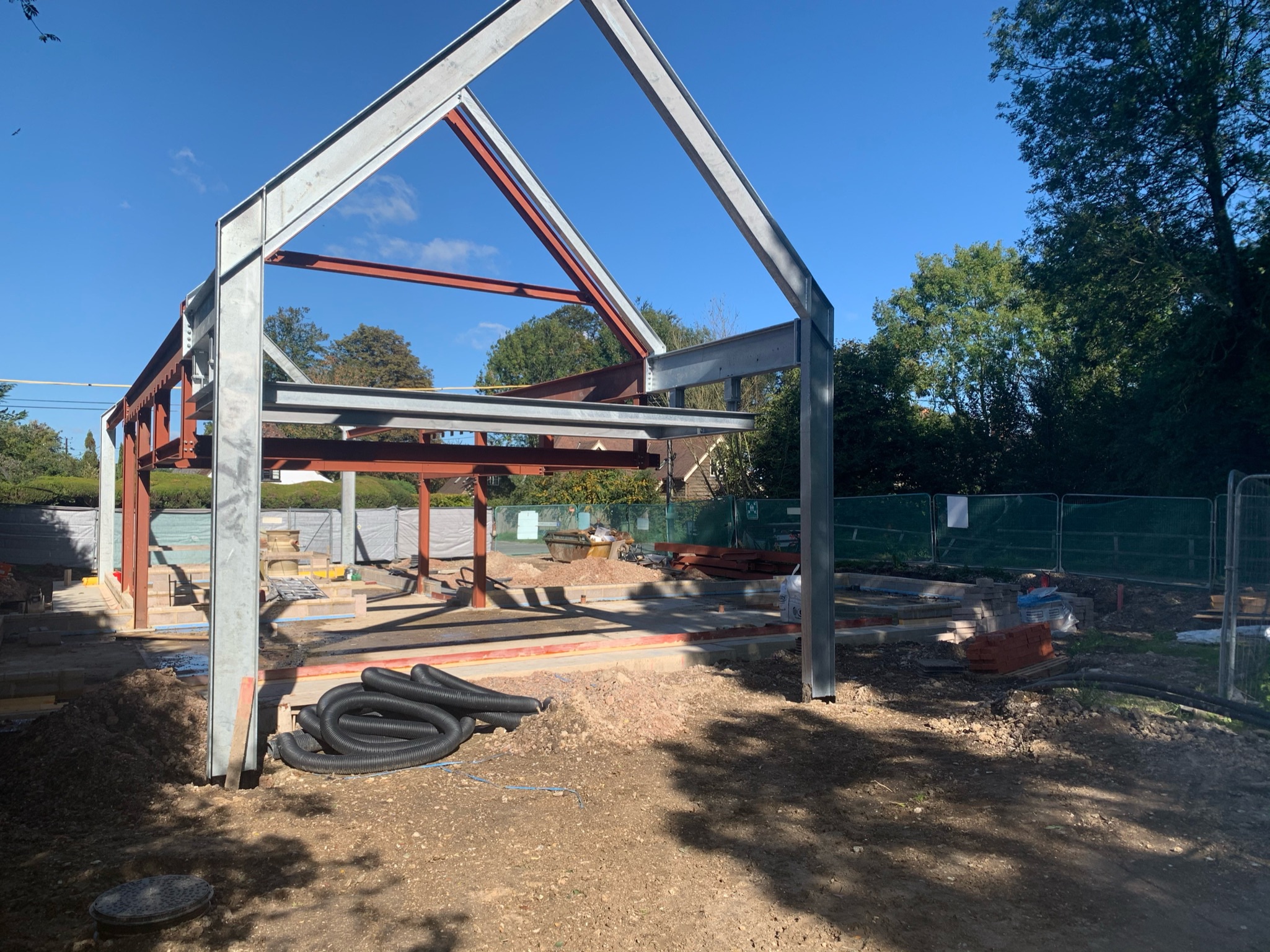

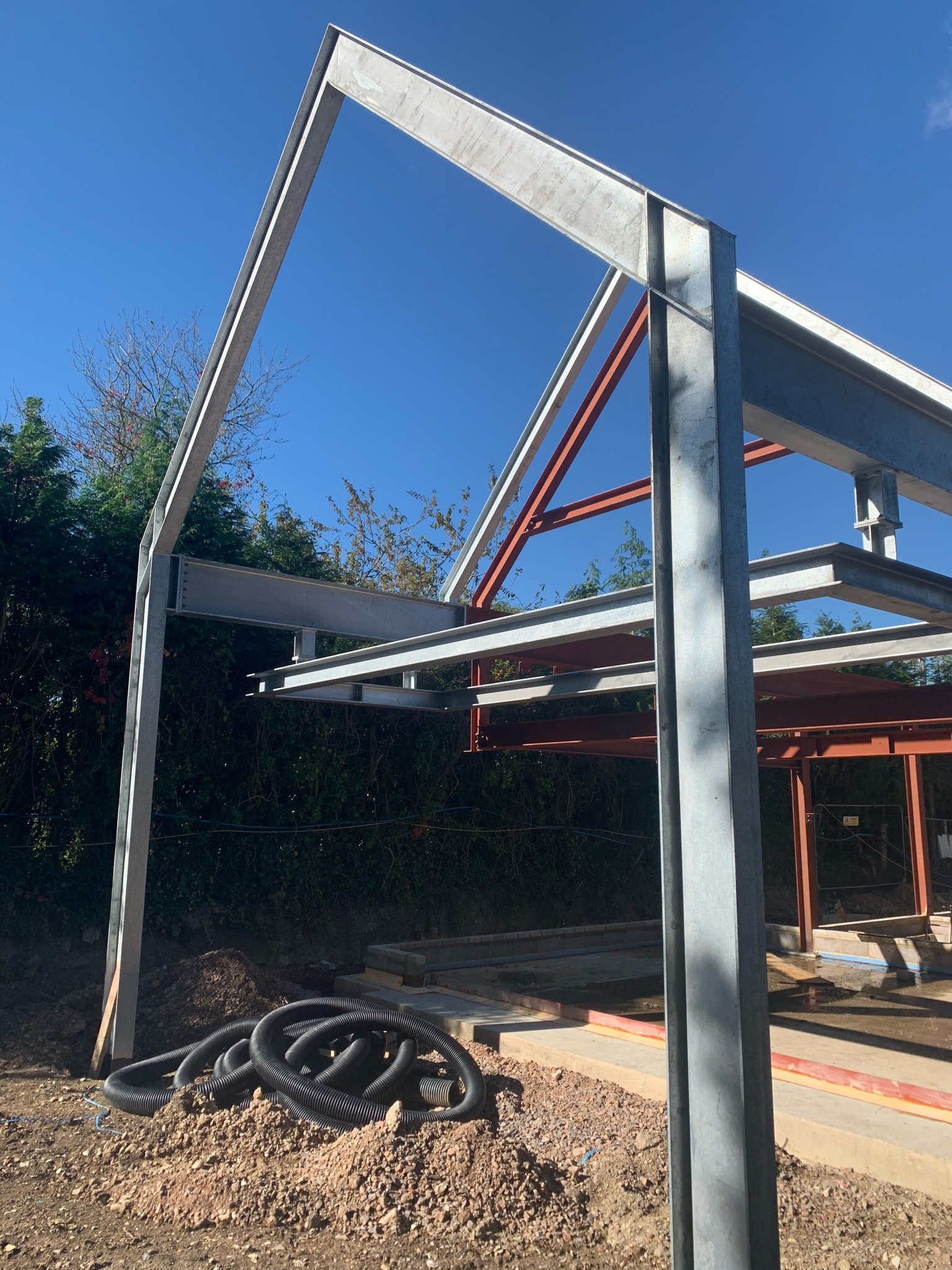
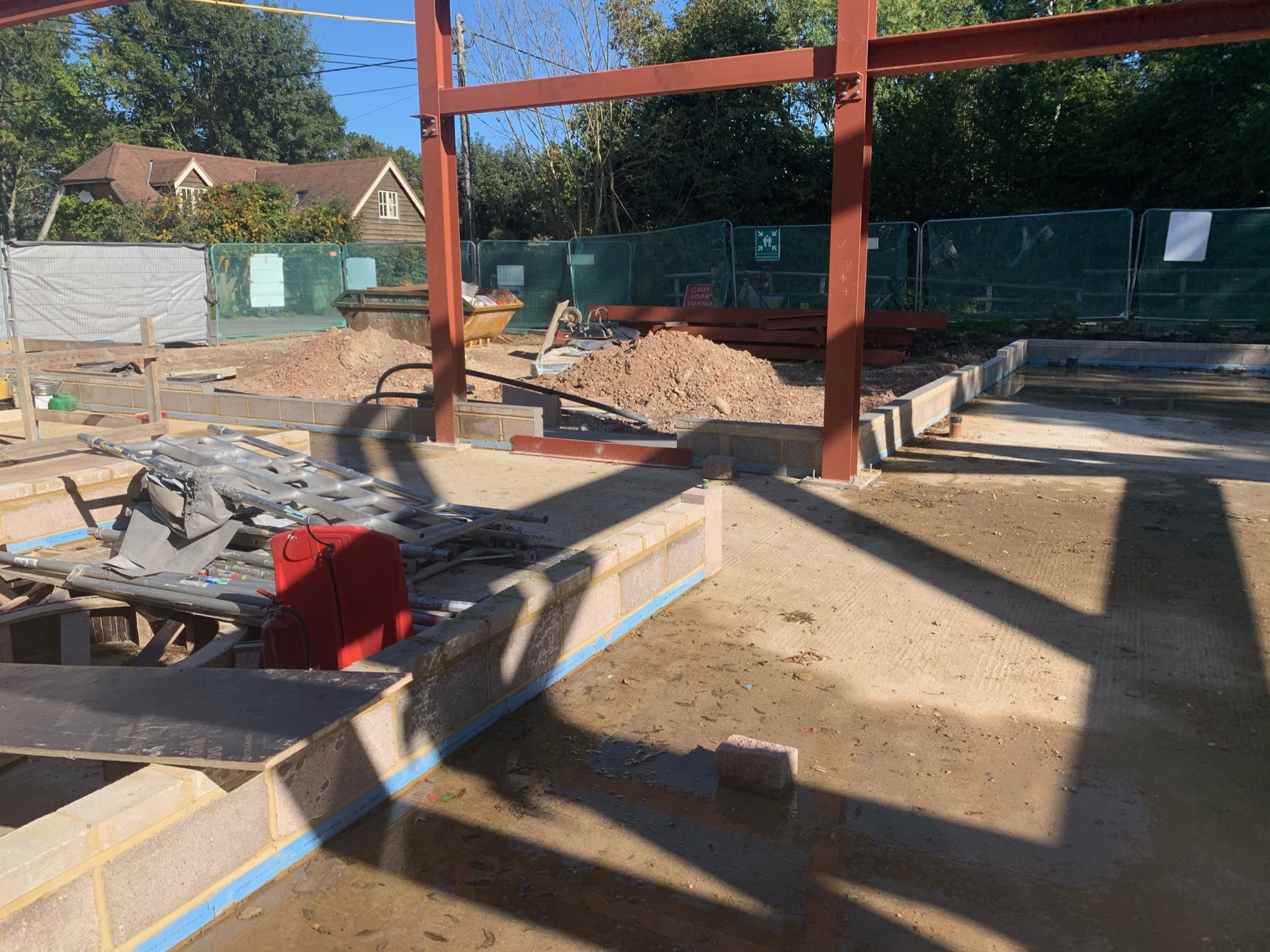
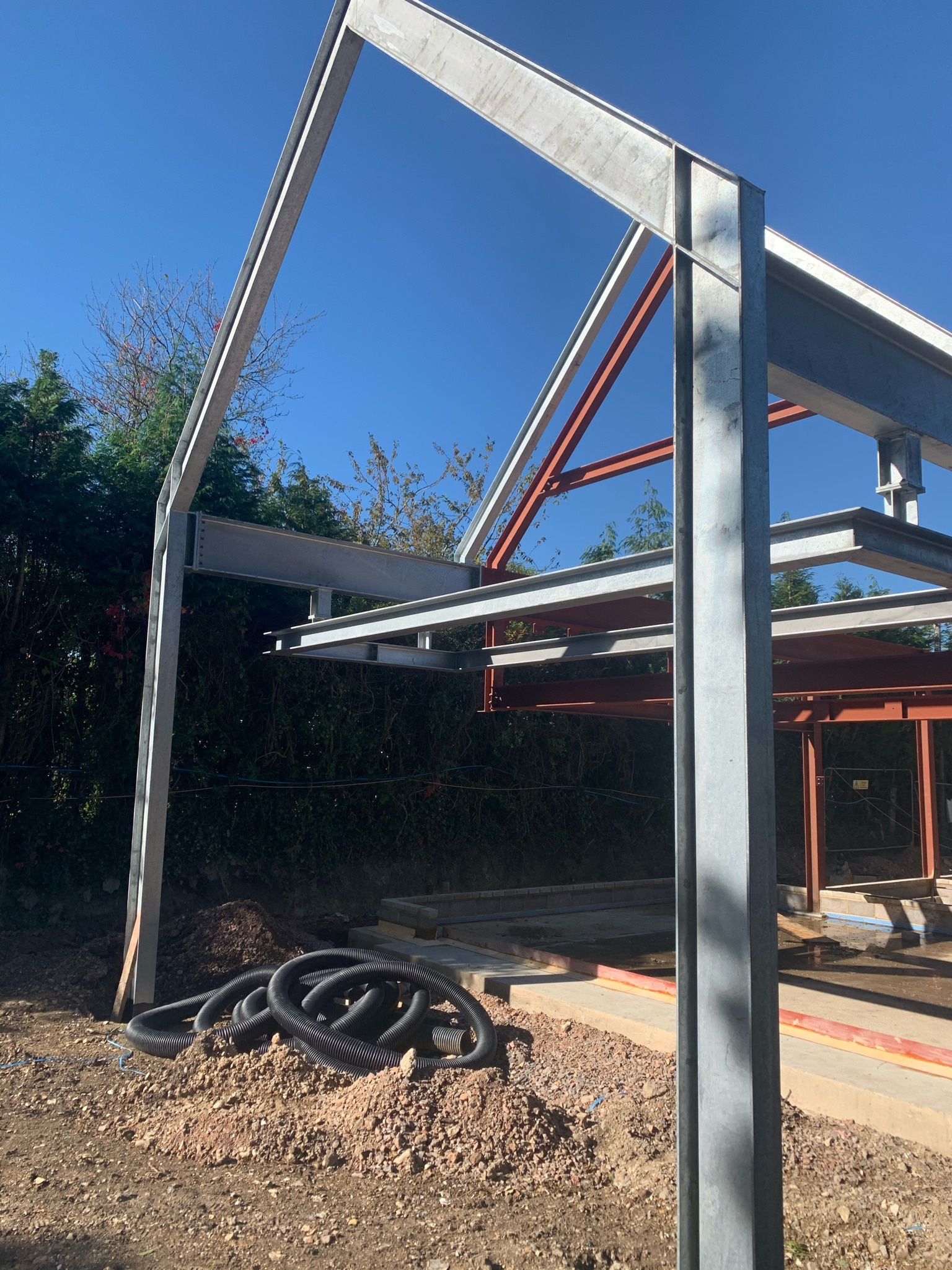
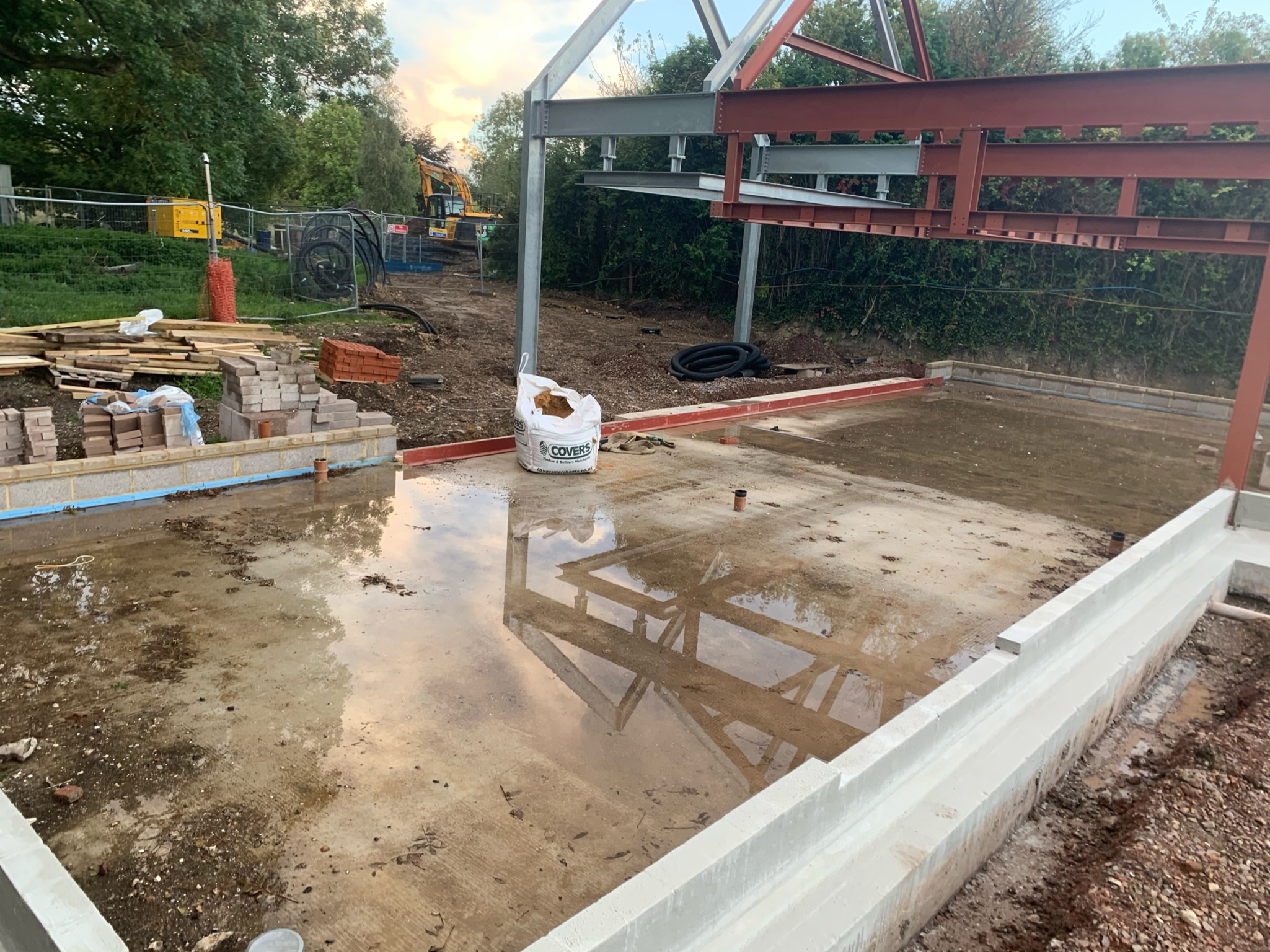

Once the installation of the steel frame was completed, the mason’s turned up to start setting out the masonry blocks that will enable us to complete the tanking process and form the structure for the SIP to sit on.
I’m now using some of the technical lingo that I’ve picked up. In simple terms, The SIP will sit on a masonry block which is waterproofing treated with SIKA membrane and waterproof cement mix. This is called tanking. The masonry itself sits on top of a thermal break which is a block of insulation material that forms the boundary between the external ground floor slab and the inner slab.
The thermal break is an insulation material that prevents rapid heat loss and helps with air tightness as well as water tightness.
The guys that are doing the water tight work go through a painstaking process of applying waterproof mix to each of the setout masonry.
If you look at the image below, you can see the yellow coloured layer on top of the masonry. That’s the tanking treatment to prevent water ingress into the basement.

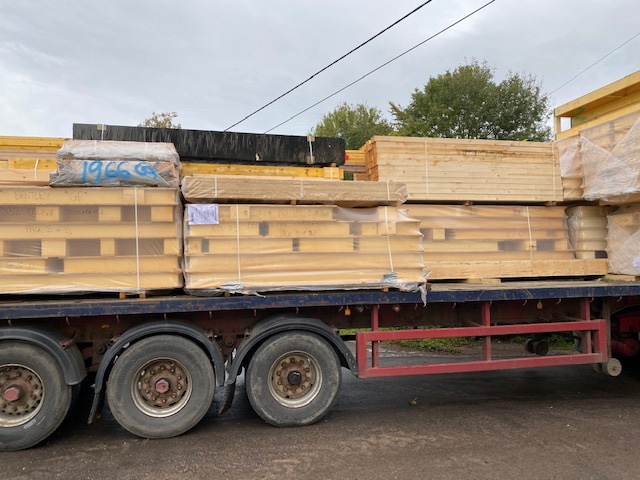
The process to complete the tanking includes wrapping the formwork with the SIKA waterproof membrane. The SIKA membrane itself is wrapped around the formwork such that it sits on either side of the wall. The SIP panels for the pavilion which have now arrived will basically be inserted on top of the masonry to complete the build of the pavilion before we move to the barn structure. In the next post, I’ll cover some of the additional ground work we’ve completed including the installation of the sewage treatment plant.
 Dianthus